Science News
 American
Science News for 17 June 2026
American
Science News for 17 June 2026
'This was a pioneering achievement': Stone Age people put up posts to observe the solstices near Stonehenge long before the stones of sacred site were placed
Live Science - 17 Jun 2026 23:01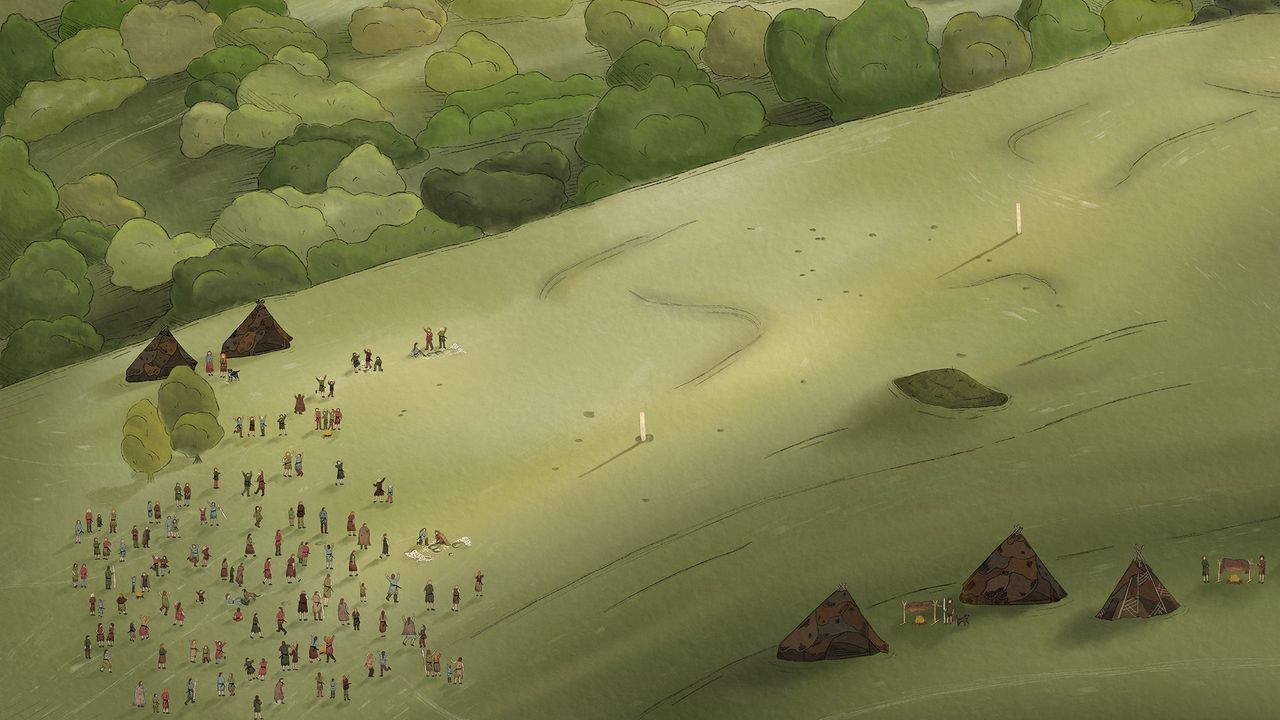 The discovery of two ancient holes at Stonehenge suggests people placed posts there to help observe the summer and winter solstices around 5,000 years ago.
TBI and Common Neurological Conditions Accelerate One Another
Neuroscience News - 17 Jun 2026 22:13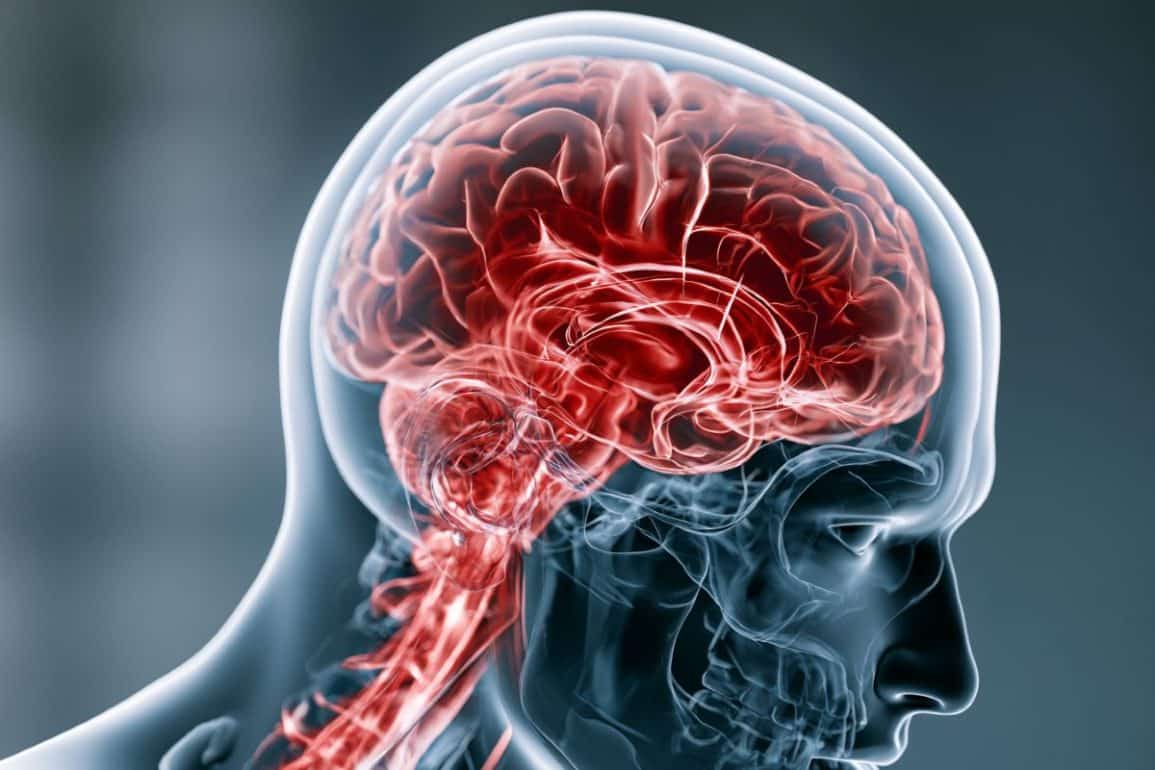 A new study demonstrates a dangerous bi-directional risk loop between traumatic brain injury (TBI) and neurological diseases.
Precise Gene Editing in Early Human Embryos Reignites the Designer Baby Debate
Singularity Hub - 17 Jun 2026 22:04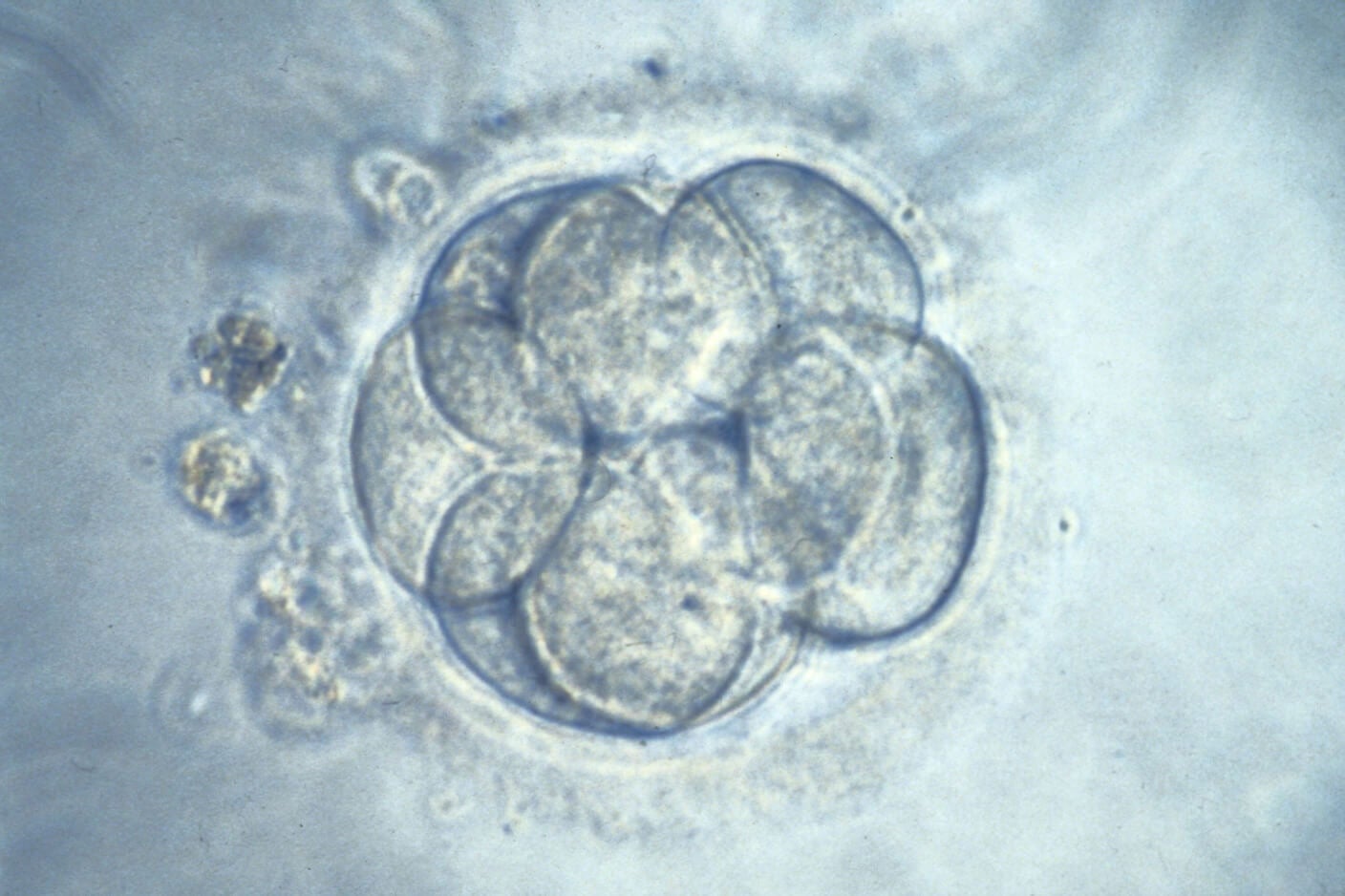 The technology, still far from clinical use, could one day prevent devastating diseases. But critics warn that even these early results may also fuel interest in commercial embryo editing, despite unresolved ethical and ...
Clinical Trial Tests Fully Implantable BCI for Advanced ALS
Neuroscience News - 17 Jun 2026 21:04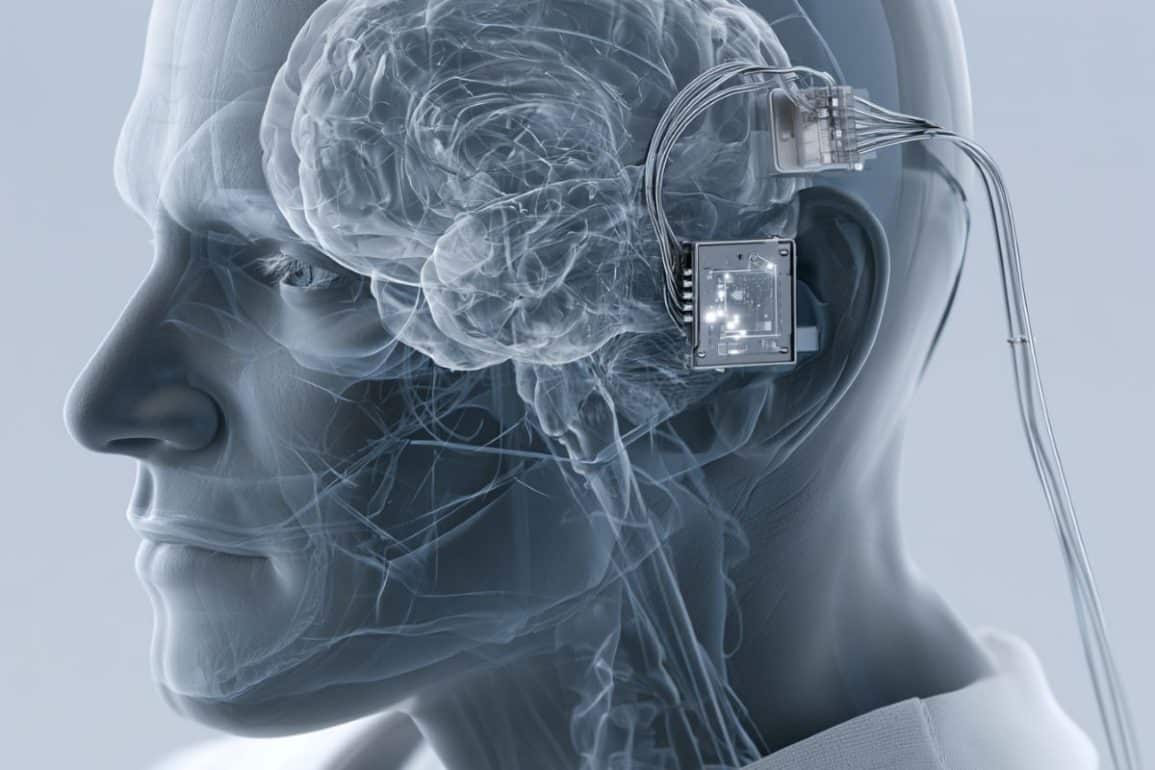 Neurosurgeons have completed the first-in-human clinical implant of the Paradromics Connexus wireless brain-computer interface (BCI).
Great Apes Shatter Human Models of Social Intelligence
Neuroscience News - 17 Jun 2026 20:45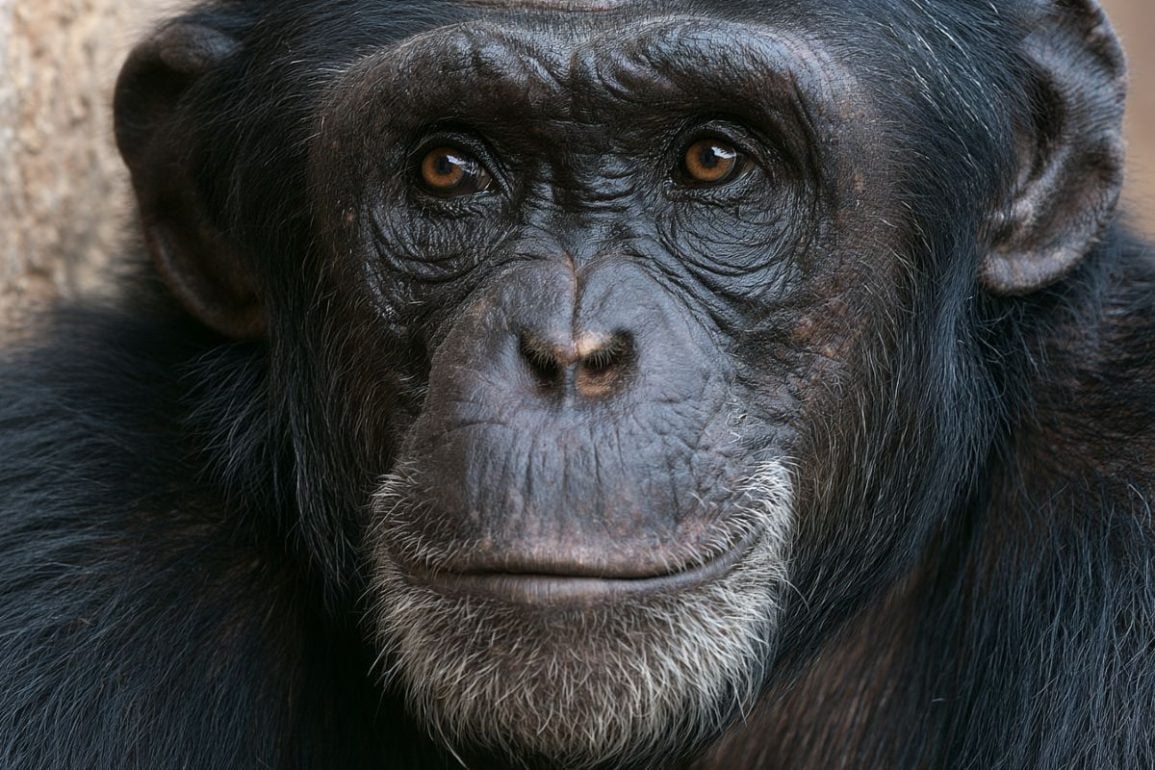 Great ape cognition is highly individualized, dynamic, and structurally distinct from human intelligence.
Probiotics Show Promise as Add-On Treatment for Depression
Neuroscience News - 17 Jun 2026 20:25 A new study suggests that adding probiotic therapy to standard care can provide modest but meaningful relief for older adults suffering from moderate depression.
'It's a huge deal': Archaeologists discover second cannonball from the Battle of the Alamo, and it was likely fired by Texans
Live Science - 17 Jun 2026 20:04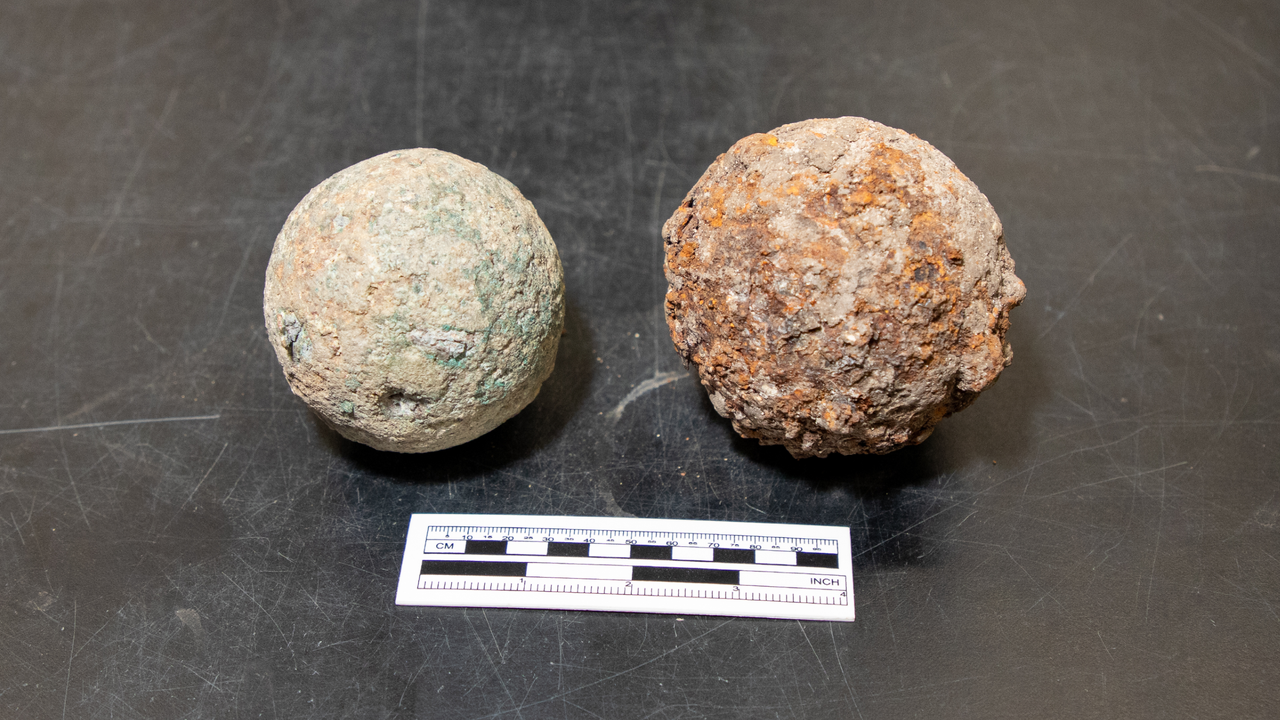 Archaeologists have discovered a second cannonball from the 1836 Battle of the Alamo, and now they have one from each side.
Chilling the body with drugs could limit brain damage from stroke
New Scientist - 17 Jun 2026 20:00
Putting brain cells into a hibernation-like state via drugs that cool down core body temperature may help to preserve them following a stroke
Flexible cryogenic cables for dilution refrigerators could pave path to practical quantum computers
Phys.org - 17 Jun 2026 20:00
By harnessing the unique properties of quantum mechanics, scientists and engineers worldwide seek to enable systems with extraordinary capabilities. Many of them are working on the highly anticipated development of quant...
Alzheimers Protein APP Acts as Vital Shield for Neurons
Neuroscience News - 17 Jun 2026 19:34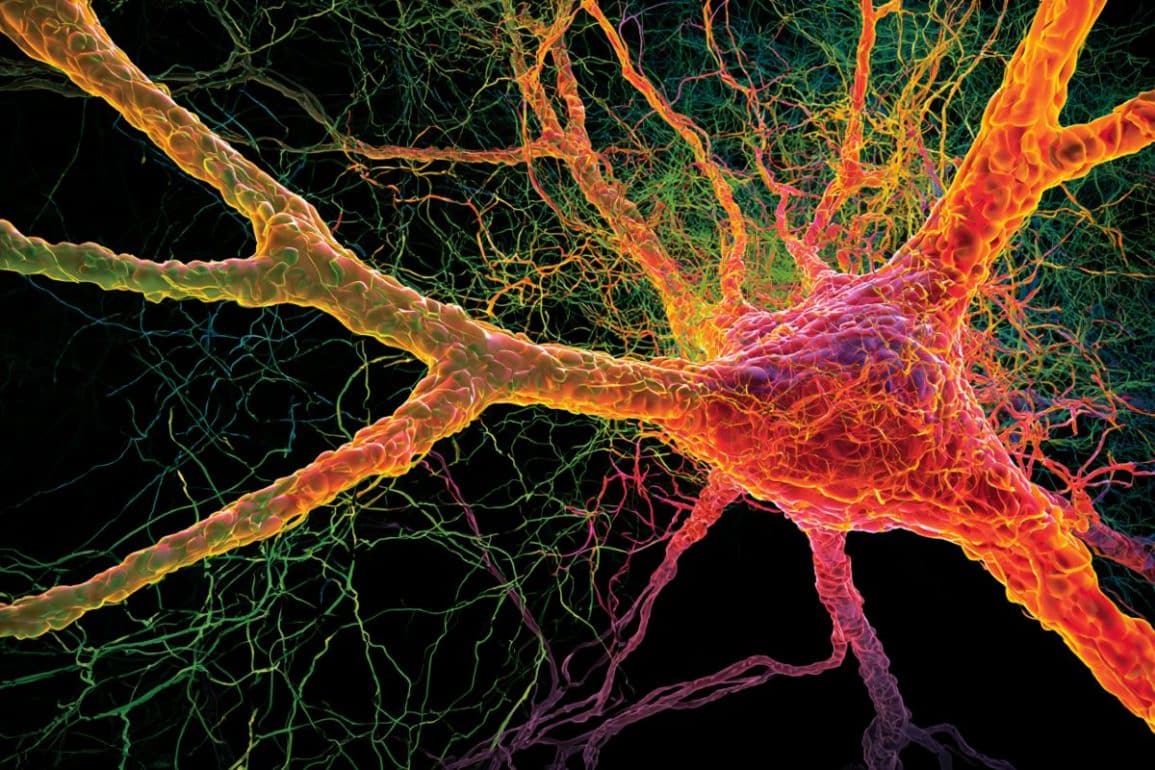 A new study reveals that amyloid precursor protein (APP), long studied merely as the source of toxic plaques in Alzheimer's disease, serves a vital protective role as a cellular guardian.
The bigger the lizard, the bigger the Wiki page, discovers ecologist
New Scientist - 17 Jun 2026 19:00
Feedback is delighted to explore research digging into the relationship between a reptile's body mass and the length of its Wikipedia entry - but would like to throw Godzilla into the mix
New Scientist recommends an excellent look at the future of work
New Scientist - 17 Jun 2026 19:00
Sarah O'Connor's We Are Not Machines explores how we are contorting ourselves to fit AI into our working lives - and what to do about it, finds Tom Knowles
Helios quantum computer tops 99.9% fidelity rates for one- and two-qubit operations
Phys.org - 17 Jun 2026 18:40
A public-private partnership in the Mountain West announced new results today that mark steady progress toward the Department of Energy's goal of fault-tolerant quantum computing, systems large and reliable enough to...
Migrating Nerve Cells Experience Routine, Repairable DNA Damage
Neuroscience News - 17 Jun 2026 17:53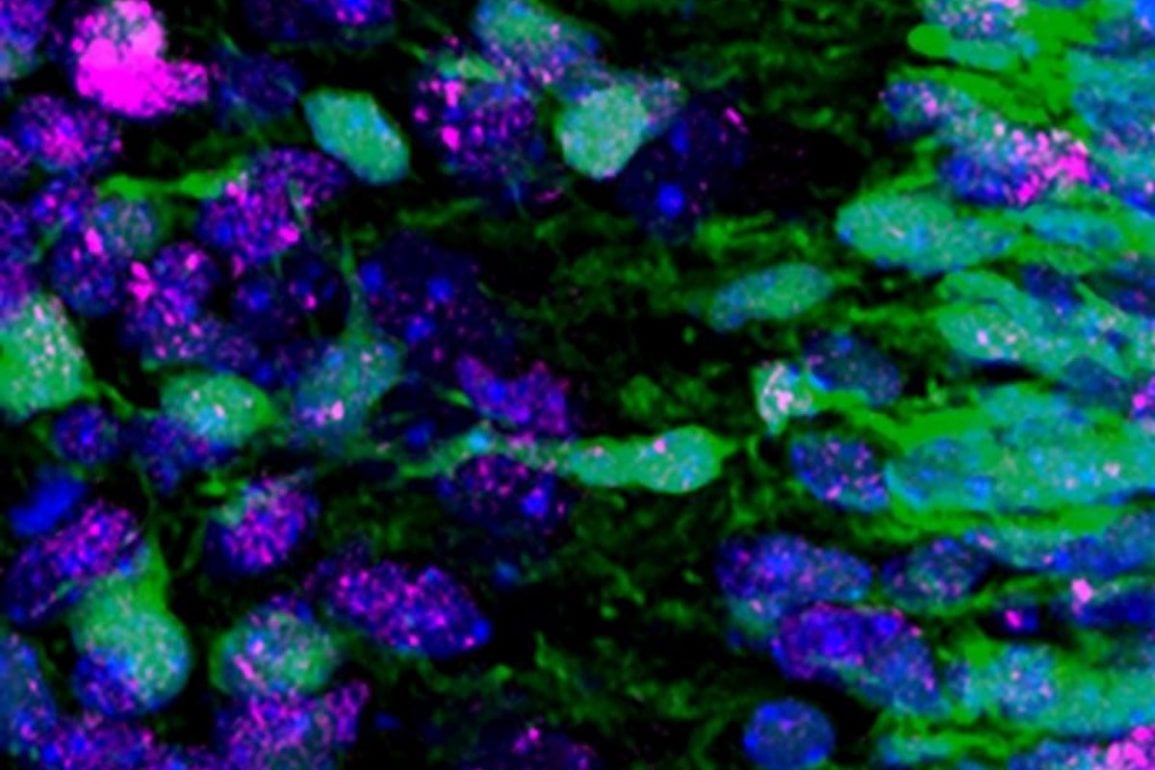 The physical migration of newborn neurons through dense brain tissue causes routine, widespread double-strand DNA breaks.
'A mixture from zero to infinity': Physicists split apart a photon - and ended up with an improbable swarm of particles
Live Science - 17 Jun 2026 17:50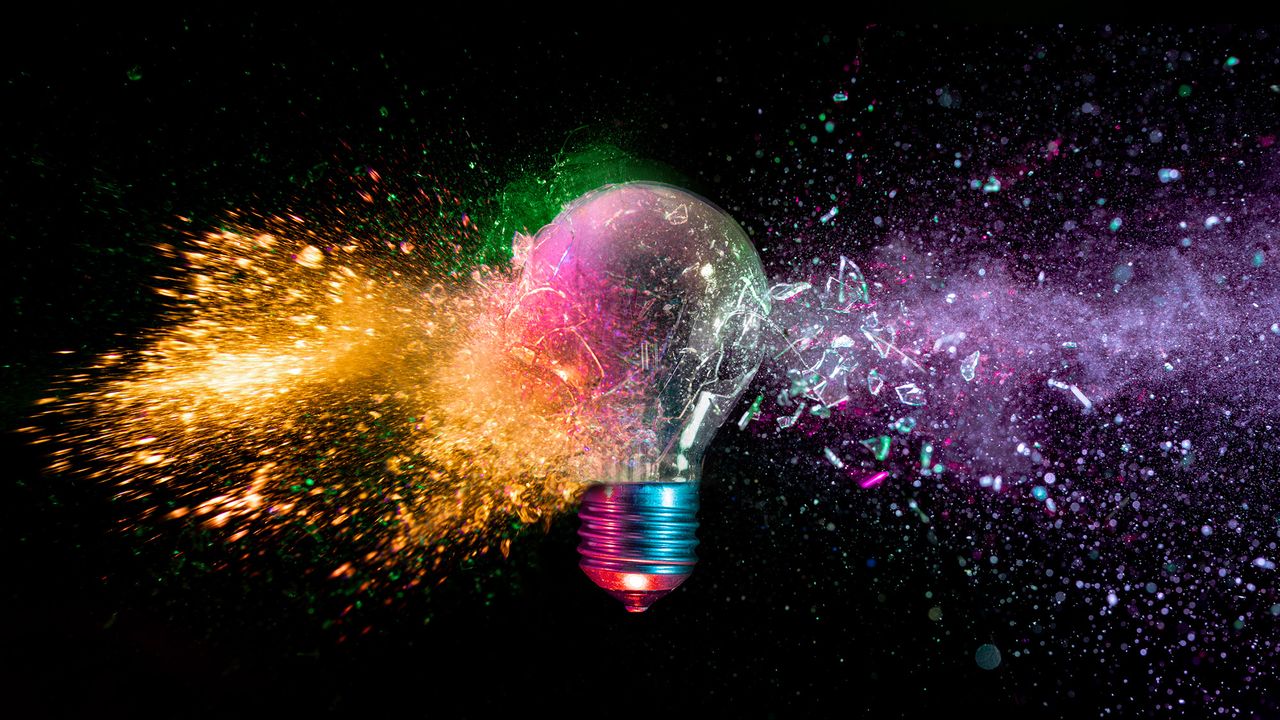 Physicists have found that splitting a photon would lead to a complex state that may change the way we think of particles.
Oldest known plague victims found in a 5,500-year-old burial ground in Siberia - and many of them were children
Live Science - 17 Jun 2026 17:43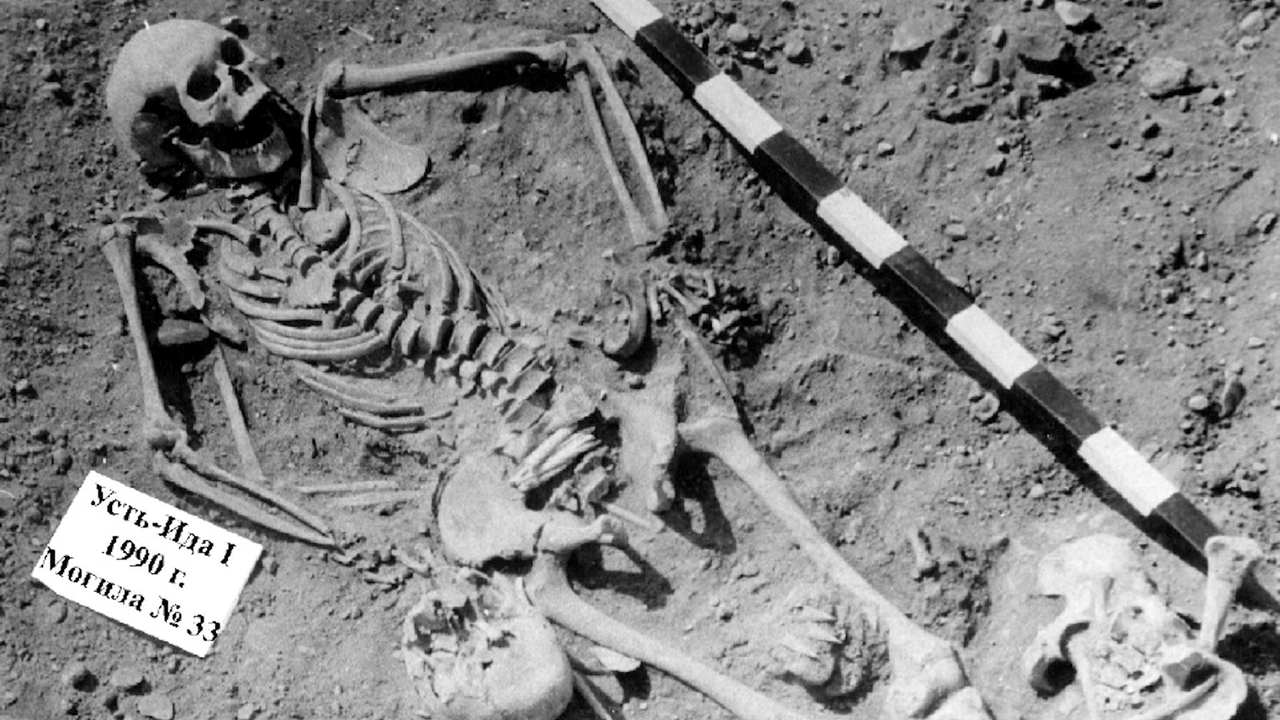 The oldest known evidence of the plague killing people has been found in Siberia, and it carried a gene that may have made it particularly deadly for children.
Trauma and Poverty Linked to Brain Changes in Schizophrenia
Neuroscience News - 17 Jun 2026 17:20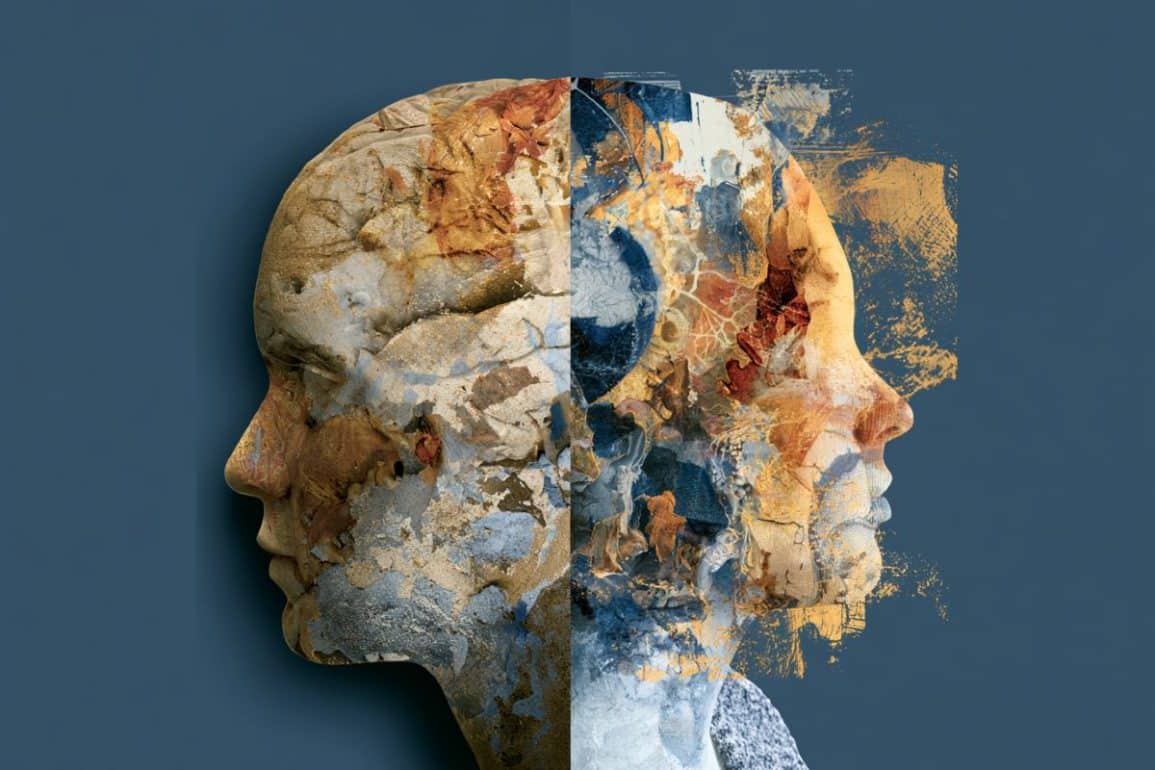 A new study demonstrates that adverse social determinants of health, such as childhood trauma, poverty, discrimination, and isolation, are directly linked to structural and functional brain changes associated with schizo...
Oldest known plague outbreak killed hunter-gatherer children
New Scientist - 17 Jun 2026 17:00
DNA evidence shows that plague bacteria devastated a community in Siberia more than 5000 years ago, challenging the idea that there were no major disease outbreaks before the advent of farming and large settlements
Pigeons lock their eyes in place when they are flying
New Scientist - 17 Jun 2026 17:00
Bird-mounted headsets and backpacks have revealed the surprising things pigeons do with their eyes when on the wing
Our brains have their first thoughts surprisingly early in life
New Scientist - 17 Jun 2026 17:00
By the timewereborn,our brains have all the hardware in place to form thoughts, andpossibly evensome conscious awareness
Our brains have their first thoughts unexpectedly early in life
New Scientist - 17 Jun 2026 17:00
By the timewereborn,our brains have all the hardware in place to form thoughts, andpossibly evensome conscious awareness
Ingestible Vibrating Capsule Predicts Anorexia Relapse
Neuroscience News - 17 Jun 2026 16:50 A new study shows that an ingestible, vibrating capsule can help clinicians determine relapse risk in patients recovering from anorexia nervosa.
 Global
 Great Britain
 Indian
 South Africa